
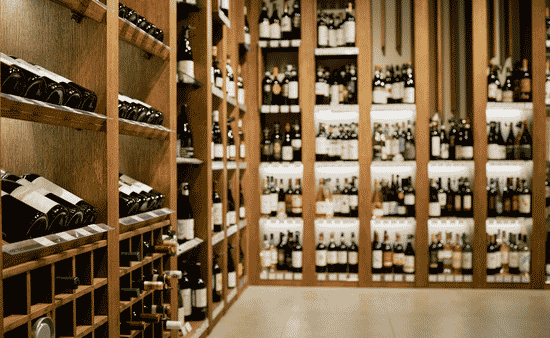
Wine enthusiasts and collectors often find themselves drawn to large bottles of wine for various reasons. These impressive formats are not only visually striking but also offer unique benefits in terms of aging potential, taste experience, and social appeal. This article explores the appeal of large bottles of wine, examining their historical significance, practical advantages, and cultural value.
Historical Importance of Large Wine Bottles
Large bottles of wine have a considerable history dating back centuries. Traditionally, these bottles were used for celebratory events and special occasions. In some cases, the size indicated the prestige of the wine or the significance of the moment. For example, the Jeroboam or Methuselah bottles are often associated with grand celebrations or important toasts.
Over time, large bottles became a symbol of luxury and craftsmanship in winemaking. Their use by top wineries and collectors helped establish their reputation as prestigious items, sought after for both display and consumption.
The Variety of Large Wine Bottle Sizes
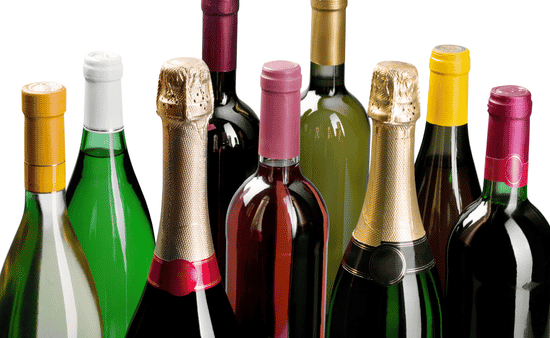
There are several standard sizes for large bottles of wine, each with unique names and capacities. While a standard wine bottle contains 750 millilitres, large bottles may hold the equivalent of two, four, or more standard bottles. Common names include Magnum (1.5 litres), Jeroboam (3 litres), Methuselah (6 litres), Salmanazar (9 litres), Balthazar (12 litres), and Nebuchadnezzar (15 litres).
Each size caters to different needs, whether for aging, serving large groups, or creating an impressive display. Their presence enhances the ambiance of an event and invites curiosity among wine lovers.
Enhanced Ageing Potential
One of the most significant advantages of purchasing large bottles of wine lies in the ageing process. Larger bottles have a lower ratio of oxygen to wine, which slows the oxidation process. This means that the wine inside tends to mature more gradually and harmoniously compared to standard bottles.
This slow ageing can result in more complex, well-integrated flavours, creating a more satisfying drinking experience when the wine is finally opened. Furthermore, the larger format allows for extended cellaring, making these bottles ideal for long-term investment or special occasion consumption.
Improved Wine Preservation
Large bottles also improve wine preservation once the bottle is opened, especially during events. When a Magnum or larger bottle is opened, the amount of exposure to air in relation to the volume of wine is less than that in a standard bottle. Consequently, the wine remains fresher for longer periods, allowing it to be enjoyed over multiple days without rapid deterioration.
Social and Practical Appeal
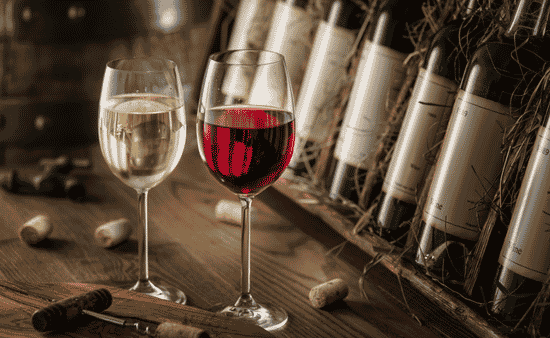
Large bottles of wine bring added social appeal to gatherings such as weddings, dinners, or corporate events. Serving wine from an impressive bottle creates a memorable focal point and enhances the overall experience. Guests often find the sight of a large bottle striking, encouraging conversation and engagement.
From a practical standpoint, larger bottles can be efficient for serving multiple guests, reducing the number of bottles to open during an event. This can be particularly advantageous for sommeliers and event organisers aiming for seamless service and presentation.
Collectibility and Investment
Many wine collectors are attracted to large bottles because of their rarity and potential as investment pieces. Due to the higher cost of production and limited availability, these bottles often appreciate in value over time, especially when sourced from reputable vineyards with excellent vintages.
Additionally, the challenge of storing and handling large bottles contributes to their exclusivity. Wine collectors who have the facilities to store and preserve such bottles consider them prized possessions in their collections.
The Influence of Wineries
Leading wineries have contributed significantly to the popularity of large bottles of wine. By releasing special editions in Magnum or even larger formats, winemakers elevate the prestige of their brands and offer consumers an enhanced experience.
These producers often showcase their large bottles at tastings and events, highlighting the benefits of ageing and the visual impact of the format. This marketing strategy has helped broaden consumer awareness and appreciation.
Purchasing Large Bottles of Wine
Consumers interested in buying large bottles of wine have increasingly convenient options. Specialist retailers and online shops provide access to a wide selection of sizes and styles, catering to various budgets and preferences.
One can explore a reputable source offering an extensive range of large bottles of wine by visiting large bottles of wine. Such platforms ensure authenticity and provide detailed information to assist buyers in making informed choices.
Storage Considerations
Proper storage is critical to maintaining the quality of large bottles. Due to their size and weight, these bottles require sturdy shelving or custom racks designed for large formats. Maintaining a consistent temperature, humidity, and minimal light exposure remains essential.
Collectors and enthusiasts must also consider the space needed for these bottles, which is often greater than standard bottles. Adequate preparation ensures that the wine ages optimally and remains in excellent condition.
The Impact on Wine Tasting Experience
Wine tasting from a large bottle often yields a different experience compared to a standard-sized bottle. The slower ageing process influences the aroma and flavour profile, often enhancing complexity and depth. Tasters may note subtleties and nuances that develop uniquely in larger formats.
Additionally, the act of decanting from a large bottle can add to the ritual and ceremony of wine tasting, offering both an aesthetic and sensory appeal. This makes large bottles popular in formal wine tastings and prestigious events.
Practical Challenges
While large bottles offer many advantages, they also come with practical challenges. Handling and pouring require care, sometimes needing specialised equipment such as supports or unique decanters. Transporting these bottles can also be more complicated due to their size and fragility.
Therefore, purchasers must be aware of these considerations and plan accordingly, especially when organising events or transportation.
Environmental and Sustainability Aspects
Interestingly, large bottles can have a positive environmental impact. Producing wine in larger formats reduces the amount of glass required per litre compared to multiple smaller bottles. This reduction translates to lower energy consumption in production and decreased packaging waste.
As sustainability becomes increasingly important in the wine industry, large bottles represent an option for consumers seeking to minimise environmental impact without compromising quality.
Conclusion
Large bottles of wine offer a multitude of benefits ranging from enhanced ageing potential and preservation to social and aesthetic appeal. Their historical importance combined with modern practical and environmental advantages makes them an attractive choice for both collectors and casual wine lovers.
By understanding the unique characteristics and requirements of large bottles, consumers can appreciate the value they bring to the wine experience. Exploring specialized sources such as large bottles of wine enables knowledgeable selection and enjoyment of these prestigious and distinctive formats.