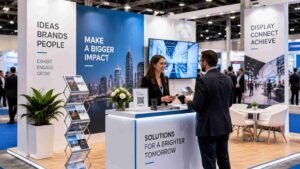

Exhibition stands play a crucial role in creating a memorable presence at trade shows, conferences, and other industry events. They serve as the physical representation of a brand, helping businesses communicate their values, products, and services to potential clients and partners. Understanding how to maximise the impact of exhibition stands can significantly enhance a company’s visibility and overall event success.
The Importance of Exhibition Display Stands
Exhibition display stands are more than just a backdrop; they are a strategic marketing tool designed to attract and engage an audience. A well-designed stand can capture attention, convey key information, and encourage interaction. This is particularly important in environments where multiple businesses compete for attendees’ attention.
Choosing the right exhibition display stands is fundamental to achieving these goals. The stands should align with the brand identity and marketing objectives, providing a cohesive and professional appearance.
Design Considerations
When selecting or designing an exhibition stand, several factors must be taken into account to ensure maximum impact. These include layout, graphics, lighting, and materials. Each of these elements contributes to how the stand is perceived and how effectively it communicates the intended message.
Layout is critical as it determines the flow of visitor traffic and the accessibility of products or displays. A well-organised space facilitates engagement and conversation, which can lead to valuable business opportunities.
Graphics and Branding

Graphics serve as the visual language of the stand. High-quality images, consistent colour schemes, and clear messaging help reinforce brand recognition and recall. It is important to use branding elements consistently across all communication materials to build a strong, recognisable presence.
Typography and colour choices should be made carefully, considering readability and impact from a distance. Bold text and contrasting colours often perform well in busy exhibition environments.
Lighting and Ambience
Lighting can dramatically influence the appearance and atmosphere of an exhibition stand. Proper lighting highlights key products or areas and creates a welcoming mood. Combining ambient, accent, and task lighting ensures the space is both functional and visually appealing.
Choosing the Right Materials
The materials used in constructing exhibition stands affect not only aesthetics but also practicality. Lightweight yet durable materials facilitate transportation and installation. Sustainable options are increasingly popular due to growing environmental concerns.
Investing in modular components can offer flexibility for different event spaces and allow for future reconfiguration. This adaptability can result in cost savings over time.
Interactive Elements and Technology Integration

Modern exhibition stands often incorporate interactive features to enhance visitor engagement. Touchscreens, virtual reality, and augmented reality experiences can provide immersive ways to showcase products or services.
Technology can also assist in gathering visitor data, enabling follow-up communication and measuring event success. Integrating digital features thoughtfully ensures they complement rather than detract from the overall experience.
Staff Training and Engagement
The impact of an exhibition stand is also influenced by the staff present. Well-trained, approachable team members who understand the marketing objectives can transform visitor interactions into meaningful business relationships.
Staff should be knowledgeable about the products or services being promoted and skilled in initiating conversations. They should also be able to operate any technological elements included in the stand.
Location and Positioning Within the Exhibition
The position of the exhibition stand within the event venue affects visibility and foot traffic. Securing a stand location near entrances, main aisles, or complementary businesses can increase visitor numbers.
Early planning and negotiation with event organisers can improve the chances of obtaining a prime position.
Pre-Event Marketing and Follow-Up Strategy
Maximising the impact of exhibition stands extends beyond the event itself. Pre-event marketing strategies such as social media announcements and personalised invitations encourage attendance at the stand.
Pre-event marketing strategies such as social media announcements and personalised invitations can increase attendance, while content repurposing for social media can help businesses extend the reach of their exhibition content before and after the event.
Following up with contacts made during the exhibition ensures the momentum created at the event translates into tangible business outcomes.
Measuring Exhibition Success
Evaluating the effectiveness of exhibition stands involves analysing key performance indicators such as visitor count, leads generated, and brand awareness improvement. Feedback from staff and attendees can also provide valuable insights for future events.
Cost Considerations and Budget Planning
While investing in a high-quality exhibition stand can be costly, it is important to view this expense as part of a broader marketing budget. Careful planning helps allocate funds efficiently, balancing initial costs with potential returns from increased visibility and sales.
Exploring options such as renting stands or using modular designs can also provide cost-effective solutions without compromising on impact.
Trends in Exhibition Stand Design
Current trends include minimalist designs that focus on clear messaging, sustainable materials, and integration of digital technology. Businesses can also adapt to social media trends and content strategies to create exhibition content that remains relevant and engaging across different platforms.
Conclusion
Maximising impact with exhibition display stands requires a comprehensive approach encompassing design, technology, staff engagement, and strategic planning. By carefully selecting and optimising exhibition display stands, businesses can enhance their presence at events, attract the right audience, and achieve their marketing objectives more effectively.