

Workplace injuries can disrupt personal and professional life, requiring prompt action. Early guidance ensures proper documentation, legal protection, and access to benefits. Individuals should obtain medical care and report incidents quickly to avoid complications. Professional support simplifies the claims process and ensures clear recovery steps. Workers in Colorado must act decisively to protect rights and recovery outcomes.
Contacting the workers comp attorney Colorado clarifies steps, ensures proper claim filing, and prevents delays. Legal representatives guide state-specific procedures and handle communication with insurers. Their guidance reduces errors that could affect claim approval or benefits. Assistance maintains compliance while protecting access to full compensation. Below are the important steps to follow carefully.
Step 1: Secure Medical Attention After Workplace Accidents
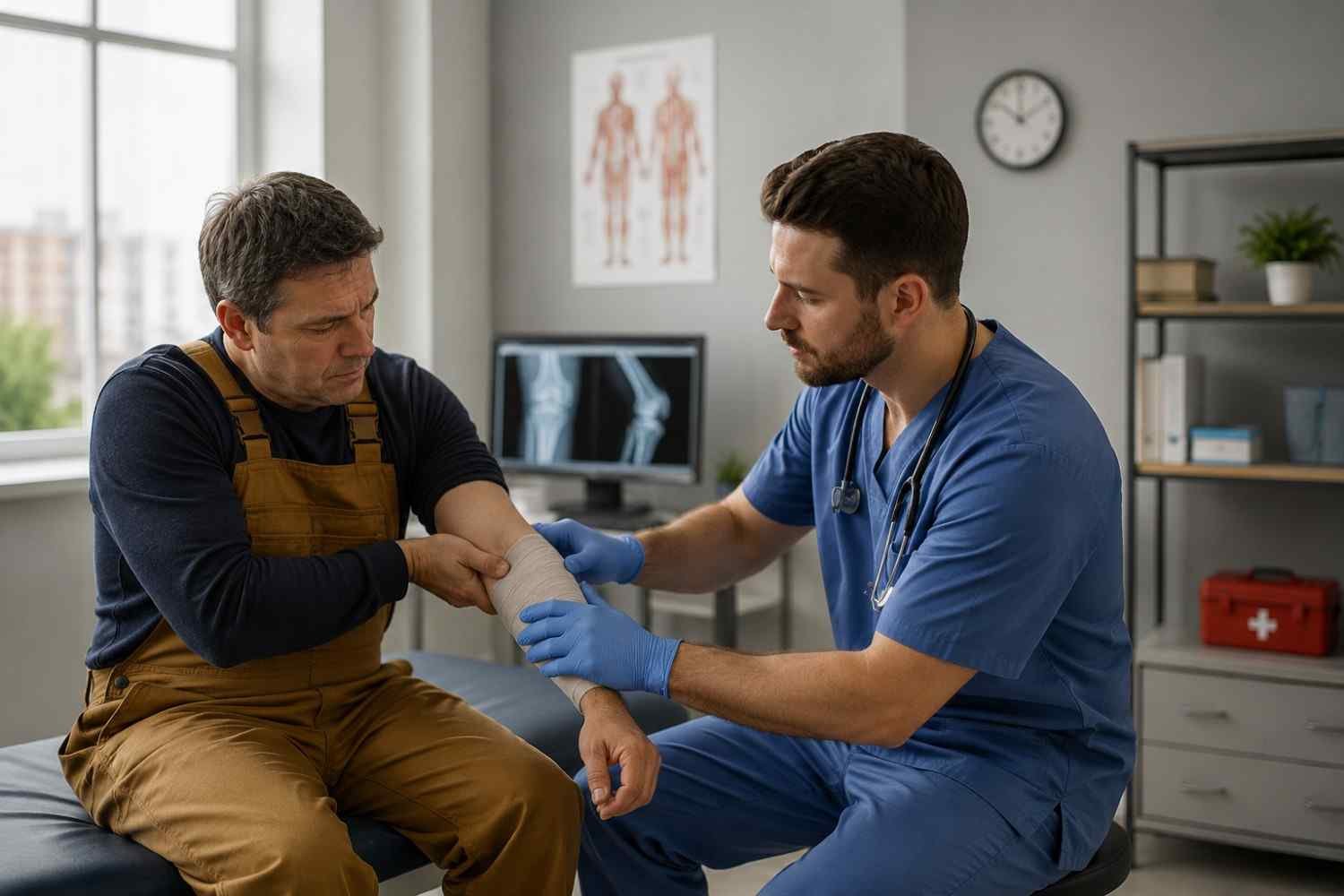
Workers should seek immediate medical evaluation to confirm injuries and determine proper treatment. Health professionals can detect hidden complications that may worsen without care. Documentation from medical visits establishes injury severity for legal and claim purposes.
Medical records provide critical evidence supporting requests for workers’ compensation benefits. Workers in Colorado must maintain copies of evaluations, prescriptions, and healthcare documents. Prompt medical attention improves recovery and demonstrates responsible handling of workplace incidents.
Step 2: Report Workplace Incidents to Company Supervisors
All injuries require notification to supervisors or management as soon as possible. Accurate incident reports create formal documentation and trigger employer procedures for safety review. Including details such as location, time, and nature of injury strengthens credibility and claim integrity.
Reporting ensures employers initiate internal investigations and complete claim paperwork promptly. State law may require written notification within specific timeframes to preserve eligibility for benefits. Clear communication prevents delays and ensures compliance with workers’ compensation regulations.
Step 3: Maintain Accurate Medical Records and Evidence

Workers must organize all medical records, test results, and correspondence with healthcare providers carefully. Photographs of injuries, accident sites, and equipment involved provide additional proof for claims. Daily notes regarding symptoms and recovery progress support disputes that may arise effectively.
Organized documentation allows legal representatives to evaluate case strength with precision. Workers in Colorado should secure all records and provide copies to relevant parties when requested. Evidence protects rights and prevents unnecessary delays during claim evaluations and approvals.
Step 4: Submit Workers’ Compensation Forms Within Deadlines
Timely submission of workers’ compensation forms ensures eligibility and avoids administrative complications. Understanding state-specific requirements, including documentation, forms, and deadlines, is essential. Providing accurate information reduces the risk of claim denial or verification requests.
Retaining copies of submitted forms and correspondence establishes a reliable reference throughout the process. Much like businesses preparing to launch a website, careful organization and timely submissions help prevent unnecessary delays and complications. Meeting deadlines demonstrates diligence and compliance with legal requirements for claims. Properly organized submissions support the timely review and approval of compensation benefits.
Step 5: Contact Legal Representatives for Claim Assistance

Legal professionals explain rights, responsibilities, and procedures under workers’ compensation law. Attorneys review case details, identify missing information, and communicate effectively with insurers. Representation minimizes errors, misinterpretations, or delays during claim evaluations or appeals. Similar to how to track website traffic accurately using reliable data and monitoring tools, maintaining organized records and consistent updates is essential for managing a workers’ compensation claim effectively.
Legal support ensures documentation meets state standards and improves the likelihood of approval. Early involvement of experienced counsel provides guidance and safeguards access to full compensation. Choosing qualified representation increases confidence and supports the successful management of compensation claims.
Taking structured steps after a workplace injury ensures proper medical care, compliance, and fair compensation. Maintaining detailed records, submitting claims promptly, and reporting incidents accurately prevent common administrative issues. Consulting the workers comp attorney in Colorado provides guidance, safeguards legal rights, and strengthens claim outcomes. Workers in Colorado should prioritize medical care, organized documentation, and timely legal assistance for smooth claim handling. Following these steps improves recovery, reduces delays, and increases confidence in managing workers’ compensation claims.